

Our Blog

Categories

How to Diagnose CAN Bus Issues: A Step-by-Step Guide

How to Diagnose CAN Bus Issues: A Step-by-Step Guide

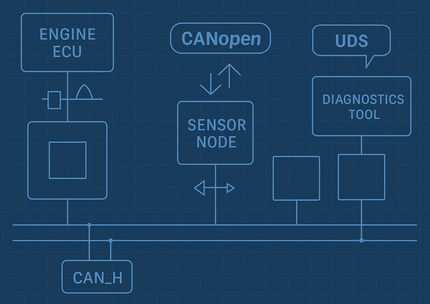
CAN bus diagnostics start with two questions: is the hardware healthy, and is the protocol behaving? This guide walks through every step — multimeter testing for termination, voltage, and transceiver faults; a breakdown of all five CAN error types; and protocol-level analysis using PC-based and handheld tools. Updated to cover CAN 2.0, CAN FD, and CAN XL.

Custom vs Off-the-Shelf: The Pros & The Cons

A custom-designed product can break through a crowded marketplace, and open a business to a whole new sector of consumers. When you search for a path to achieve this, however, you’ll find many options, from standard, commercial off-the-shelf (aka, COTS) components, to custom parts, to highly-custom projects. When considering creating a custom IoT application, how do you make the decision between the multitude of options?

Quick and inexpensive entry into condition monitoring

Sensors can keep your machines and systems healthy and efficient. Being able to closely and continuously monitor the condition of production equipment in a factory will allow for targeted servicing and maintenance, fewer breakdowns and an increase in overall efficiency. The Schildknecht IoT Ready-To-Use system offers a quick and cost-effective entry into condition monitoring.

Commercial Off-The-Shelf (COTS) vs. Custom Products

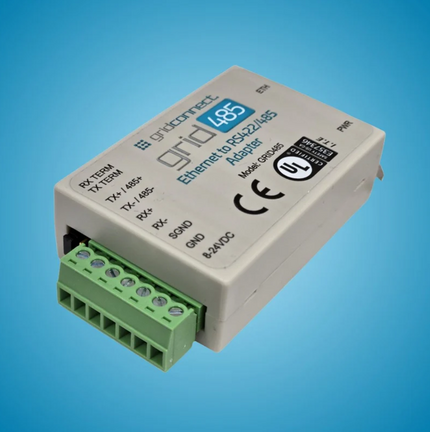
Let’s say you work for a company developing a new product that uses a Serial interface, and you have been tasked with finding a way to integrate Ethernet connectivity. You research all the different options for exports, components that can convert connections like Serial into other interfaces, and come across a number of options.

IoT is Transforming the Political Landscape

The nature of political campaigning is changing rapidly as the intrusion of the Internet of Things (IoT) within popular culture continues to expand at a rapid rate. In the past, the infrastructure of political campaigns was heavily based on polling, surveys, door-to-door campaigning, and cold calls. These methods were deemed very effective among politicians at the time, but in the modern era, relying on these tactics as a means to learn more about voters is a waste of time and resources. IoT technology has changed the way voters interact with the government as more information about their habits and beliefs will be tracked and analyzed with the sensors built into this technology.

Get our monthly newsletter for product and technology updates