

Our Blog

Categories

CAN Bus Data Logging - Setup, Decode, and Analyze Your Data Efficiently ondemand webinar

Webinar: CAN Bus Data Logging - Setup, Decode, and Analyze Your Data Efficiently

Learn how engineers at leading OEMs reliably collect, decode, and analyze CAN (Controller Area Network) bus data using the CANedge series and open-source tools. This technical session covers everything from physical setup and connector selection to DBC decoding, Wi-Fi log offloading, and data visualization. Ideal for teams managing embedded systems, diagnostics, or validation workflows.

New ‘universal translator’ for industrial communications

New ‘universal translator’ for industrial communications

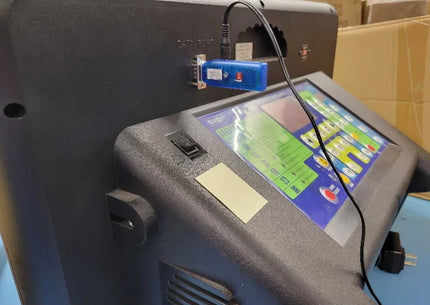
Grid Connect, Inc. and Real Time Automation® (RTA®) have partnered to bring original equipment makers a new embedded module that serves as a universal translator for enabling serial devices (RS-232, 422, 485, SPI, I2C) to communicate via protocols such as EtherNet/IP, Modbus TCP, PROFINET, BACnet/IP and others. OEMs also gain the capability to push data from plant-floor and field devices to analytical and business applications via OPC UA and MQTT.

How to pick your communication protocol

How to pick your communication protocol

Many factors can influence this decision, from the necessary bandwidth, to existing infrastructure, to security concerns. Letting the application determine the best protocol results in optimal for connectivity solutions, whether operating farming equipment, or shipping supplies, to conflict zones.

How to Diagnose CAN Bus Issues: A Step-by-Step Guide

How to Diagnose CAN Bus Issues: A Step-by-Step Guide

CAN bus diagnostics start with two questions: is the hardware healthy, and is the protocol behaving? This guide walks through every step — multimeter testing for termination, voltage, and transceiver faults; a breakdown of all five CAN error types; and protocol-level analysis using PC-based and handheld tools. Updated to cover CAN 2.0, CAN FD, and CAN XL.

Custom vs Off-the-Shelf: The Pros & The Cons

A custom-designed product can break through a crowded marketplace, and open a business to a whole new sector of consumers. When you search for a path to achieve this, however, you’ll find many options, from standard, commercial off-the-shelf (aka, COTS) components, to custom parts, to highly-custom projects. When considering creating a custom IoT application, how do you make the decision between the multitude of options?

Get our monthly newsletter for product and technology updates